Gujarat’s people are known for their taste in clothes. The penchant for color and fabrics that makes the Gujaratis stand out is stuff for legend. The state of Gujarat has a textile industry that is extremely flourishing, and is a main contributor to the art and craft industry of India. The fabrics and textile produced here is much appreciated all over India as well as abroad. The textile industry here leads in the sheer variety it has on offer for the customers. There are many subtle nuances that are involved in textiles, and experts seem to be able to identify types effortlessly. There are many factors like raw materials, yarn combinations, traditional methods etc that the types of Gujarat textiles are dependent on.
The reason the textile industry here is so enriched is that it has multiple facets. The industry is more than an industry per se; the craftsmen and rural artists are extremely talented and use a mixture of conventional and modern techniques. Craftsmen from different regions use different styles, and different communities, tribes, regions, and regions all have their own methods, and have contributed much to the textile industry here. The ancient traditions that back the textile industry has been kept alive all this while, and this has lead to the enrichment of Gujarat textile output. Let’s have a look into the verity of Gujarat textile products.
Bandhani (Tie and Dye / Dip)
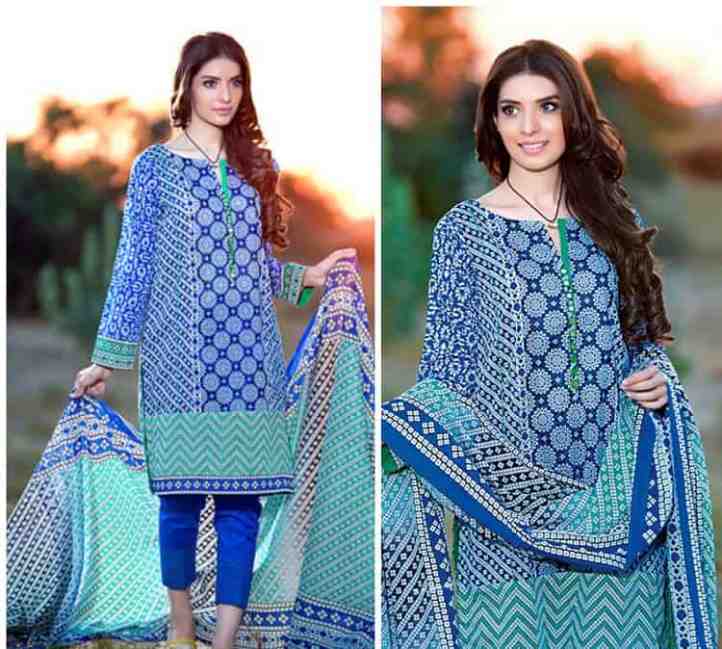
What decides the price of the fabric ultimately is the quality of the fabric, the complexity of the procedure followed as well as the patterns. Kutch, Saurashtra and Jamnagar are the main hubs for Bandhani work in Gujarat. The markets of Jamnagar have Bandhani Sarees which have Zari work done on them on display.
Dhamadka and Ajrakh
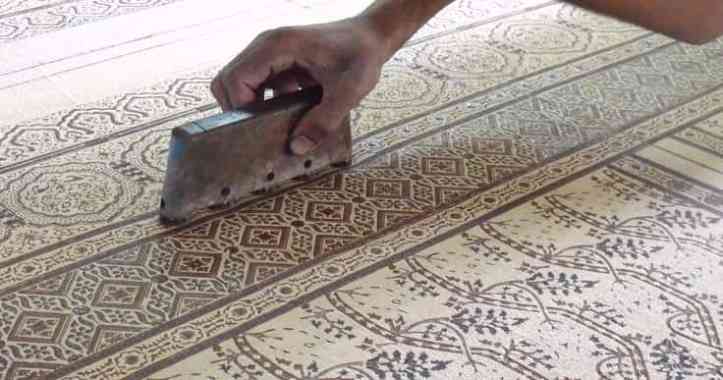
Jetpur, a riverside town that is located in between Junagadh and Gondal, is well known for the Dhamadka work, and is found in yellows, blues, reds, maroons among other contrasting range of colors.
Kutch is another famous area for the Dhamadka art. Vegetable dyes, paraffin wax resist and such materials are used to print the brightly colored Ajrakh prints, and these are still in vogue in the midst of all the synthetic dyes.
Mashru
 India Travel Blog – Tours to India